
Introduction
The rise of cryptocurrency has ushered in a transformative financial era offering decentralization, permissionless innovation, and entirely new paradigms of value exchange. Yet, alongside its promise lies significant volatility, evolving regulations, technological vulnerabilities, and behavioral pitfalls. For individuals, institutions, and enterprises alike, navigating crypto markets requires both ambition and caution.
This guide explores the dual realities of cryptocurrency participation: the high reward potential that draws global attention and the multi dimensional risks that necessitate discipline and diligence. With a structured, strategic approach, investors can engage confidently while safeguarding their capital.

The Allure of Crypto
Capital Appreciation
Cryptocurrencies, particularly Bitcoin and Ethereum, have demonstrated explosive price growth during market cycles. The appeal of asymmetric upside where modest investments may yield substantial returns has attracted institutional capital and retail investors worldwide.
Passive Yield Mechanisms
Beyond speculative gains, crypto enables passive income through mechanisms such as:
- Staking on proof of stake networks
- Decentralized lending and borrowing
- Liquidity provision in automated market makers AMMs
- Incentive programs and airdrops by emerging protocols
These decentralized finance DeFi structures offer compelling yields, albeit with varying degrees of risk.
Portfolio Diversification
Some investors incorporate crypto as a non correlated asset class, aiming to diversify beyond traditional equities, bonds, and commodities. While correlations can increase during macroeconomic stress, crypto offers exposure to digital native assets and next generation infrastructure.
Early Access to Innovation
Participation in crypto markets offers exposure to pioneering technologies such as:
-
Blockchain scalability solutions Layer 2s
- Non fungible tokens NFTs
- Decentralized identity systems
- Tokenized real world assets
- Smart contract based applications
For forward looking investors, crypto offers direct access to financial innovation in its earliest stages.

Navigating the Risks
Market Volatility
Crypto assets are among the most volatile in global finance. Double digit daily swings are not uncommon. Market sentiment, regulatory news, macroeconomic data, and technical signals can trigger rapid price changes both upward and downward.
Security Vulnerabilities
Security remains a persistent concern. Risks include:
- Smart contract exploits due to coding errors
- Exchange hacks and breaches of centralized platforms
- Phishing attacks targeting retail investors
- Cross chain bridge vulnerabilities, where large amounts of capital are at stake
- Private key theft, resulting in irreversible loss of assets
Even well-audited platforms are not immune, highlighting the importance of proactive security practices.
Liquidity and Execution Risk
Thinly traded tokens or decentralized exchanges with low liquidity can cause significant slippage. During market stress, even high cap assets may see liquidity dry up, limiting the ability to enter or exit positions.
Regulatory Uncertainty
Crypto regulation is evolving rapidly. Jurisdictional differences may affect:
- Asset classification for example security vs utility token
- Tax treatment of gains and income
- KYC and AML requirements
- Advertising restrictions
- Stable coin governance
Sudden policy shifts can freeze assets, ban services, or alter investment strategies overnight.
Custodial and Counterparty Risk
Reliance on third party custodians or exchanges introduces risk. High profile insolvencies and mismanagement have led to loss of client funds. Users must weigh the benefits of convenience against control and transparency.
Fraud, Scams and Malicious Governance
Crypto openness has also enabled malicious actors. Common schemes include:
- Rug pulls: where developers abandon a project post funding
- Pump and dump groups
- Fake tokens or phishing clones
- Flash loan attacks in DeFi
- Governance manipulation via vote buying or collusion
Even sophisticated investors have fallen prey to fraudulent ventures.
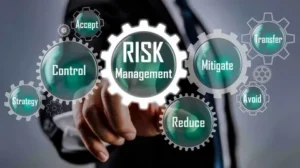
Strategic Risk Mitigation
Conduct Rigorous Due Diligence
Before allocating capital:
- Evaluate the team credibility, experience, and public presence
- Review the whitepaper and technology roadmap
- Confirm code audits and security certifications
- Assess token omics, including supply distribution and incentive alignment
- Analyze the community, developer activity, and protocol usage
A project’s fundamentals are critical to long-term viability.
Apply Thoughtful Portfolio Allocation
Crypto should occupy a measured allocation in an investor’s portfolio. Depending on risk tolerance, this may range from 1 to 10 percent. Within the allocation, diversify across sectors. Layer 1s, DeFi, NFTs, oracles and market caps.
Prioritize Self Custody and Security Hygiene
To mitigate custodial risk:
- Use hardware wallets for long term storage
- Store seed phrases offline and securely
- Enable multi factor authentication on all accounts
- Avoid sharing private keys under any circumstance
- Stay alert to phishing emails, fake apps, and suspicious links
Self custody empowers investors but demands responsibility.
Leverage Automation and Risk Tools
To avoid emotional decision making:
- Use limit and stop loss orders
- Automate profit taking strategies
- Utilize portfolio trackers with live performance data
- Set alerts for governance proposals or token unlocks
- Monitor on chain activity for whales or developer movements
Risk tools can enhance decision making and reduce psychological error.
Understanding Behavioral Risks
Investor behavior significantly impacts outcomes. Key psychological traps include:
- FOMO Fear of Missing Out: buying late into hype cycles
- Herd Mentality: following social trends without analysis
- Loss Aversion: refusing to cut losses or exit under stress
- Confirmation Bias: ignoring contradictory information
- Overconfidence: excessive leverage based on past wins
Developing discipline, journaling decisions, and adhering to strategy helps mitigate these biases.
Real World Lessons from Crypto History
Exchange Failures
Several prominent exchanges have collapsed due to fraud, poor governance, or cyberattacks. These events highlight the dangers of over relying on centralized entities for asset custody or liquidity.
Smart Contract Exploits
High profile DeFi projects have suffered devastating hacks even post audit. Attackers often exploit overlooked logic in contracts or chain interactions. Insurance, audits, and cautious deployment practices are essential.
Rug Pulls and Scam Tokens
New or unaudited tokens can be designed to deceive. Even platforms that pass initial reviews may harbor hidden mechanisms that allow creators to drain liquidity or block users from selling.
Bridge and Governance Risks
Cross-chain bridges and decentralized autonomous organizations DAOs introduce complex interdependencies. Attacks on bridges have resulted in multi million dollar losses. Weak governance processes can be captured by insiders, distorting outcomes.
Regulatory and Institutional Outlook
As crypto matures, regulation is intensifying. Key trends include:
- Stable coin frameworks to ensure fiat reserves and transparency
- Exchange licensing and operational oversight
- Taxation guidelines for staking, trading, and DeFi income
- Securities classification for certain tokens
- Stronger compliance for DeFi frontends and aggregators
While clarity is welcome, regulation may also reduce access to certain platforms or change incentive structures.
Institutional participation is also rising. From ETFs to custody solutions and tokenized assets, traditional finance is integrating blockchain in measured steps. This boosts credibility but may increase correlation to broader macroeconomic forces.
Recommendations for Content Strategy and Knowledge Architecture
If you’re producing educational or marketing content for this topic:
-
Use this as a pillar page, targeting crypto risk management and navigating crypto safely
Create supporting clusters:
- What Is DeFi Risk?
- How to Evaluate a Crypto Project
- Smart Contract Insurance Explained
- Best Hardware Wallets for 2025
- Interlink using descriptive anchor text
- Embed charts showing volatility, risk allocation models, and token lifecycle stages
- Publish regular updates during market changes or major hacks
This ensures topical authority and semantic depth for SEO.
What are the main rewards of investing in crypto?
Crypto offers high growth potential, passive income through staking or lending, and exposure to early stage financial technologies.
Why is crypto considered high risk?
Due to extreme price volatility, security vulnerabilities, lack of regulation, and potential for scams or platform failures.
What is the safest way to store crypto assets?
Using a hardware wallet or cold storage, with private keys kept securely offline.
How do smart contract risks affect DeFi?
Bugs or coding errors in smart contracts can be exploited, leading to loss of funds in DeFi platforms.
Can regulation impact my crypto investments?
Yes. Sudden changes in government policy or legal classification can freeze assets, restrict access, or impose new tax obligations.
What is a rug pull in crypto?
A type of scam where developers suddenly withdraw liquidity or abandon a project after collecting investor funds.
How should I allocate crypto in my portfolio?
Most financial experts recommend a small percentage 1 to 10 percent based on risk tolerance and investment goals.
What tools can help manage crypto risk?
Stop loss orders, portfolio trackers, hardware wallets, position sizing, and third party insurance protocols.
Why is diversification important in crypto?
To reduce exposure to the failure of any single token, platform, or protocol.
What emotional biases can hurt crypto investors?
Fear of missing out FOMO, loss aversion, overconfidence, and herd mentality often lead to poor decision-making.
Conclusion
Cryptocurrency represents a powerful frontier blending finance, technology, and philosophy. But like any frontier, it is rife with uncertainty. To engage effectively, investors must respect both its transformative potential and its structural risks.
By combining diligence, security awareness, strategic allocation, and emotional discipline, market participants can capture upside while protecting downside. Whether you are a beginner or seasoned trader, the path forward is the same: clarity, caution, and constant learning.
If you would like this formatted for web, structured with semantic markup, or expanded into a downloadable risk framework checklist, let me know I am ready to help you scale this into a high performing content asset.