
Introduction
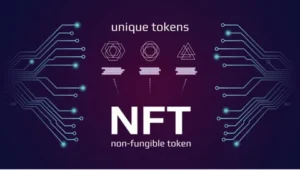
Non fungible tokens NFTs are digital assets that represent ownership of unique items on a blockchain. Unlike cryptocurrencies such as Bitcoin or Ethereum, which are interchangeable, each NFT has distinct attributes that make it one of a kind. NFTs have transformed the digital economy by introducing scarcity, traceable ownership and new ways for creators and collectors to interact.
Understanding Non Fungible Tokens
What Does Non Fungible Mean
Fungible assets are interchangeable; one unit is equal to another. NFTs are non fungible, meaning each has a unique identifier that distinguishes it from others.
How NFTs Work
- Blockchain based: NFTs are stored and verified on blockchain networks like Ethereum or Solana
- Smart contracts: These automate the creation, sale and transfer of NFTs
- Metadata: Each NFT includes information such as the asset name, description, creator and sometimes links to media files
What Are Crypto Collectibles
Crypto collectibles are a subset of NFTs, representing digital items that can be collected, traded or used in digital environments. Examples include digital trading cards, game items, avatars and virtual pets.
Popular Crypto Collectibles
- CryptoPunks: Early NFT collection known for pixel art characters
- Bored Ape Yacht Club BAYC: Premium collection offering community access and commercial rights
- NBA Top Shot: Official basketball highlight clips sold as NFTs
Use Cases of NFTs Beyond Collectibles
NFTs are not limited to digital art or collectibles. Their use cases span several industries:
- Gaming: NFTs represent in game assets with real world value
- Virtual real estate: Platforms like Decentraland allow users to buy, sell and build on virtual land
- Fashion and luxury: Brands issue NFT backed digital fashion and exclusive items
- Music and entertainment: Artists sell tokenized albums, concert tickets and fan experiences
- Identity and credentials: NFTs serve as digital ID cards, diplomas or proof of participation
NFT Marketplaces and Ecosystems
To buy, sell or create NFTs, users interact with marketplaces. Leading platforms include:
- OpenSea: Largest general NFT marketplace
- Rarible: Community owned platform with easy minting options
- Foundation: Focuses on digital art and curated drops
- Magic Eden and Solanart: Support NFTs on Solana blockchain
Wallets and Security
To interact with these platforms, users need crypto wallets such as MetaMask or Phantom. Securing private keys and using hardware wallets is essential to protect NFT assets.
Benefits and Opportunities of NFTs
- Digital ownership: Verified and transferable via blockchain
- Revenue for creators: Artists earn directly from sales and receive royalties on resales
- Programmable rights: Access, voting or membership benefits can be embedded in the NFT
Risks and Considerations
- Speculation: Many NFTs are traded as speculative assets with volatile pricing
- Copyright confusion: Buying an NFT does not always include intellectual property rights
- Scams and fraud: Fake collections and phishing scams are common
- Environmental impact: Energy usage varies by blockchain; proof of stake models help reduce carbon footprint
The Future of NFTs and Crypto Collectibles
The NFT space continues to evolve. Emerging trends include:
- Integration with virtual platforms and digital worlds
- Expansion of physical digital hybrid items
- Cross platform NFT standards
- Greater regulatory clarity
- NFTs in enterprise applications such as supply chain or identity verification
What is an NFT?
An NFT is a unique digital token that represents ownership of a specific asset on a blockchain.
How are NFTs different from cryptocurrencies?
NFTs are non fungible and unique, while cryptocurrencies like Bitcoin are fungible and interchangeable.
What are crypto collectibles?
They are digital items such as artwork, game assets or avatars that are tokenized as NFTs and can be owned or traded.
Where can I buy NFTs?
You can buy NFTs on marketplaces such as OpenSea, Rarible, Foundation and Magic Eden using a crypto wallet.
What is NFT minting?
Minting is the process of creating a new NFT on a blockchain, making it available for sale or trade.
Can I make money from NFTs?
Yes, some people earn from selling, collecting or trading NFTs, but the market is volatile and speculative.
Do I own the art when I buy an NFT?
You own the token, not necessarily the copyright; ownership terms vary by project.
Are NFTs safe?
They are secure if stored properly, but risks include scams, phishing and loss of wallet access.
What industries use NFTs?
NFTs are used in art, gaming, fashion, real estate, music and digital identity systems.
Are NFTs legal?
NFTs are legal in most countries, but regulation and taxation vary based on local laws.
Conclusion
NFTs and crypto collectibles represent a shift in how value is stored, shared and experienced online. As adoption grows, understanding the technology, risks and use cases is essential. Whether you are a creator, collector or business innovator, NFTs offer a path to new forms of digital engagement and ownership.