
Introduction
Blockchain technology, originally designed for cryptocurrencies like Bitcoin, has quickly evolved from a niche technology to a transformative force across various industries, particularly in the financial sector. By offering transparency, security, and decentralization, blockchain is driving the next wave of digital innovation. The global financial system, with its complex web of intermediaries, processes, and regulations, is ripe for disruption, and blockchain offers a more efficient, cost effective, and secure alternative.
As we move further into the 21st century, the financial sector is witnessing an increasing number of blockchain applications that are reshaping the way transactions are conducted, assets are managed, and services are delivered. From decentralized finance DeFi to cross border payments, blockchain is revolutionizing every facet of the financial world. This article will explore the top blockchain trends disrupting the financial sector, highlighting their potential to reshape the industry and the way we conduct financial transactions.

Decentralized Finance
Decentralized Finance DeFi is perhaps the most transformative blockchain trend in the financial sector. DeFi refers to a system of financial services that operates without traditional financial intermediaries like banks or brokers, using smart contracts and blockchain technology instead. The goal of DeFi is to create an open financial system that is accessible to anyone with an internet connection, allowing for the democratization of financial services.
Key DeFi Applications:
- Decentralized Lending and Borrowing: DeFi platforms allow individuals to lend or borrow assets without a bank acting as an intermediary. By using smart contracts, these platforms can automatically match lenders with borrowers and execute transactions securely and efficiently. Aave and Compound are two leading platforms in this space.
- Decentralized Exchanges: Unlike centralized exchanges like Coinbase or Binance, DEXs allow users to trade cryptocurrencies directly with one another, without relying on a third party intermediary. Uniswap and SushiSwap are examples of popular decentralized exchanges.
- Stablecoins: Stablecoins, like DAI or USDC, are blockchain based assets pegged to stable assets like the US dollar. These digital currencies are used within the DeFi ecosystem to mitigate the volatility typically associated with cryptocurrencies.
The rapid growth of DeFi platforms demonstrates blockchain potential to create a financial ecosystem that bypasses traditional financial institutions. As DeFi continues to gain traction, it has the potential to democratize access to financial services and drive greater financial inclusion.
Smart Contracts
One of the most significant uses of blockchain technology is smart contracts. Smart contracts are self executing contracts with the terms of the agreement directly written into lines of code. These contracts run on a blockchain and automatically enforce the terms of the contract when predefined conditions are met.
In the financial sector, smart contracts are being used for a variety of applications, including:
- Insurance: Blockchain based smart contracts can automate claims processing, ensuring faster and more transparent settlement. For example, Etherisc is developing decentralized insurance products that use smart contracts to verify claims and pay out to beneficiaries automatically.
- Lending and Borrowing: Smart contracts are used in DeFi platforms to automate lending and borrowing transactions, removing the need for human intermediaries.
- Clearing and Settlement: Smart contracts can simplify clearing and settlement processes in capital markets by automatically executing trades and settling them on the blockchain, reducing the time and cost associated with traditional settlement processes.
By eliminating intermediaries and reducing the potential for human error, smart contracts streamline and automate financial transactions, creating a more efficient and secure environment for financial services.
Cross Border Payments
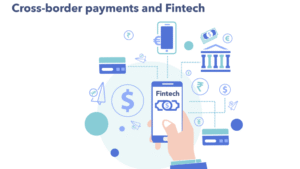
Blockchain technology has the potential to revolutionize cross border payments, one of the most complex and costly aspects of global finance. Traditional cross border payments rely on multiple intermediaries, such as correspondent banks, each of which adds its own fees and processing time. As a result, international money transfers can take several days to process and incur high fees.
Blockchain can eliminate many of these intermediaries, providing a faster, cheaper, and more transparent way to conduct cross border payments. By using blockchain based platforms like Ripple or Stellar, financial institutions can send payments directly to one another, reducing transaction fees and processing times.
- Ripple: Ripple XRP network allows for near instant cross border payments, with lower transaction fees compared to traditional systems.
- Stellar: Stellar is another blockchain platform designed for cross border payments. Its Stellar Lumens XLM cryptocurrency facilitates quick and low cost transfers between different currencies.
As more financial institutions and businesses adopt blockchain based cross border payment solutions, the cost and time required for international money transfers will continue to decrease, making global finance more accessible and efficient.
Blockchain Based Identity Management
Identity verification is a crucial aspect of the financial sector. However, traditional identity verification methods often rely on central authorities like banks or government agencies, which can be slow, costly, and vulnerable to security breaches.
Blockchain offers a self sovereign identity SSI model, where individuals have control over their own personal data. With blockchain based identity management, individuals can share their identity information with financial institutions or other service providers without relying on a third party intermediary.
Benefits of Blockchain Based Identity Management:
- Enhanced Security: By using blockchain to store personal data, the risk of identity theft is minimized. Blockchain cryptographic features ensure that sensitive information is securely stored and only accessible by authorized parties.
- Improved Efficiency: Blockchain based identity management reduces the time and cost associated with traditional identity verification processes. This is particularly beneficial in financial services, where identity checks are required for opening accounts, applying for loans, or conducting high value transactions.
- Greater Control for Users: With SSI, individuals have full control over their identity and can decide which parts of their personal information to share, improving privacy and reducing the risk of data breaches.
As the financial industry looks for ways to improve the efficiency and security of identity verification, blockchain potential to streamline this process is becoming increasingly apparent.
Blockchain in Asset Tokenization
Tokenization refers to the process of creating digital tokens that represent ownership of real world assets, such as real estate, art, or commodities. Blockchain enables asset tokenization by providing a secure and transparent way to record ownership on a decentralized ledger.
Benefits of Asset Tokenization:
- Increased Liquidity: Tokenized assets can be easily traded on blockchain based platforms, providing greater liquidity to traditionally illiquid assets such as real estate or fine art.
- Fractional Ownership: Tokenization allows for fractional ownership of high value assets, enabling individuals to invest in assets that were previously out of their reach. For example, individuals can buy shares in a tokenized real estate property or art collection.
- Transparency and Security: Blockchain ensures that tokenized assets are secure and that ownership records are transparent and immutable, reducing the risk of fraud or disputes.
Blockchain role in asset tokenization has the potential to democratize investment opportunities, making it easier for individuals to access previously exclusive markets and increasing the overall liquidity of financial assets.
Central Bank Digital Currencies
Central Bank Digital Currencies CBDCs are digital currencies issued and regulated by central banks. Unlike cryptocurrencies, which are typically decentralized and not controlled by any single authority, CBDCs are government backed and designed to function as a digital version of fiat currency.
Several countries, including China, Sweden, and the European Union, are already exploring or piloting CBDCs. In the future, CBDCs could play a major role in transforming the financial sector by offering a more secure and efficient alternative to traditional money.
Potential Benefits of CBDCs:
- Faster Payments: CBDCs could enable real time, low cost domestic and cross border payments, reducing the time and fees associated with traditional payment systems.
- Financial Inclusion: CBDCs could provide a digital currency that is accessible to individuals without access to traditional banking, helping to increase financial inclusion.
- Improved Monetary Policy: By using CBDCs, central banks could have more direct control over monetary policy, allowing for more efficient implementation of interest rates and inflation control.
While the full impact of CBDCs is still being studied, they represent a significant step towards the digitization of currency and the evolution of the global financial system.
Blockchain in Regulatory Compliance
Regulatory compliance is one of the most challenging aspects of the financial sector. Financial institutions are required to adhere to a complex web of regulations designed to ensure transparency, prevent fraud, and protect consumers. However, traditional compliance processes can be time consuming and costly.
RegTech is a subset of Fintech that uses technology, including blockchain, to help financial institutions comply with regulations more efficiently. Blockchain can streamline regulatory reporting, improve data security, and reduce the risk of non compliance.
Blockchain in RegTech:
- Automated Compliance: Smart contracts can be used to automate compliance processes, ensuring that transactions and operations adhere to regulatory requirements without the need for manual intervention.
- Transparent Audit Trails: Blockchain immutable ledger provides a transparent and tamper proof audit trail, which can be used for regulatory reporting and compliance checks.
- KYC AML Compliance: Blockchain can help streamline Know Your Customer KYC and Anti Money Laundering AML processes by providing a secure and transparent way to verify the identities of customers and track their financial activities.
As financial institutions face increasing regulatory pressure, blockchain based solutions like RegTech can help streamline compliance processes and reduce the costs and risks associated with non compliance.
What is DeFi?
DeFi is blockchain based financial services without intermediaries like banks.
How do smart contracts work in finance?
Smart contracts automate financial transactions based on predefined conditions.
How is blockchain revolutionizing cross border payments?
Blockchain reduces fees and speeds up cross border payments by eliminating intermediaries.
What is blockchain based identity management?
Blockchain allows individuals to control and share their identity securely.
How does tokenization work in finance?
Tokenization converts assets into digital tokens, allowing fractional ownership.
What are CBDCs?
CBDCs are government backed digital versions of fiat currency.
How does blockchain assist in regulatory compliance?
Blockchain automates compliance and provides transparent, secure audit trails.
What are the benefits of blockchain in financial inclusion?
Blockchain offers secure, low cost services to underserved populations.
How does blockchain improve security in financial transactions?
Blockchain ensures secure, transparent, and tamper proof transactions.
What is the role of blockchain in asset management?
Blockchain enables secure tracking and tokenization of assets, improving liquidity.
Conclusion
Blockchain is undoubtedly one of the most disruptive technologies in the financial sector. From DeFi to cross border payments, asset tokenization, and smart contracts, blockchain is reshaping the way financial services are delivered and consumed. As the technology matures and adoption increases, we are likely to see even more innovative applications of blockchain that will transform the global financial system.
The financial sector is at a crossroads, and blockchain has the potential to pave the way for a more secure, efficient, and inclusive financial ecosystem. Financial institutions, governments, and regulators must work together to harness the full potential of blockchain while addressing the challenges of scalability, security, and regulation. The future of finance is digital, decentralized, and powered by blockchain, and the opportunities for innovation are limitless.