
Introduction
Artificial Intelligence is rapidly changing the way we interact with the world, and its impact is increasingly felt in our daily lives. From the virtual assistants that manage our schedules to the self driving cars that may one day revolutionize transportation, AI is already here, reshaping industries and society. But what does the future hold for AI in daily living.? As technology continues to evolve, AI capabilities will become even more integrated into the everyday routines and interactions of people around the globe.
In this article, we will explore the various ways AI will transform our daily lives in the coming years. We will look at its applications in key areas such as smart homes, healthcare, education, transportation, and more. By the end, you should gain a clear picture of what to expect from AI in the near future and how it will impact your personal and professional life.

AI in Smart Homes
Smart homes have already begun to make life more convenient, with devices like smart thermostats, lighting systems, and security cameras gaining popularity. But the future of AI in smart homes promises even more innovative and intuitive experiences. Here is what we can expect:
- AI Powered Automation: In the near future, your home will not just respond to voice commands or scheduled routines; it will anticipate your needs. AI will learn from your behaviors and preferences, automating everything from adjusting the temperature based on your daily routine to playing your favorite music as you wake up. Imagine your home learning when to lock doors, close blinds, or prepare the house for your arrival, without any input from you.
- Personalized Experiences: AI will create personalized experiences in your home, from adjusting lighting and temperature based on your mood to recommending entertainment options. With the integration of advanced machine learning, AI will understand your routines better than ever before, offering a level of comfort and convenience that’s hard to imagine today.
- Energy Efficiency: Smart homes powered by AI will also contribute to energy efficiency. AI algorithms will optimize energy usage based on patterns in your daily life, reducing waste. Your home could become more eco friendly by using renewable energy sources more efficiently or by managing energy consumption more intelligently.
AI in Healthcare
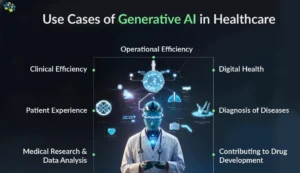
The future of AI in healthcare holds immense promise, from improving diagnostics to offering personalized treatment plans. Here is how AI will reshape healthcare:
- Early Disease Detection: AI will play a critical role in early detection of diseases, particularly cancer, diabetes, and cardiovascular diseases. With the ability to analyze vast amounts of medical data, AI algorithms can spot patterns that may not be obvious to human doctors. This means diseases could be caught earlier, when they are more treatable, and patients could receive more effective interventions.
- Personalized Treatment Plans: As AI systems become more sophisticated, they will be able to create personalized treatment plans based on an individual unique genetic makeup, lifestyle, and medical history. AI driven apps could assist in managing chronic conditions, offering real time monitoring and recommendations based on a person health data.
- Telemedicine and Virtual Health Assistants: With AI, telemedicine will become even more efficient. Virtual health assistants, powered by AI, will be able to interact with patients, answer health related questions, and even monitor vital signs remotely. These AI systems could conduct preliminary diagnoses and recommend treatments before the patient sees a doctor, making healthcare more accessible and timely.
AI in Education
AI potential in education is vast. As technology advances, it will reshape the way we learn, teach, and access educational resources. Here are a few ways AI will influence the future of education:
- Personalized Learning Paths: In the future, AI will be able to create highly personalized learning experiences. AI driven platforms will analyze a student strengths, weaknesses, and learning preferences, offering customized lessons and exercises. This personalized approach will help students learn at their own pace, improving retention and engagement.
- AI Tutors and Assistants: AI powered tutors will become commonplace in schools and universities. These tutors will offer individualized support, helping students with specific questions or challenges, and providing instant feedback. They will complement traditional teaching methods, offering an extra layer of learning support for students who need it.
- Automation of Administrative Tasks: AI will also automate administrative tasks for educators, such as grading assignments, scheduling, and managing student records. This will free up time for teachers, allowing them to focus more on interacting with students and providing quality instruction.
AI in Transportation
Transportation is one of the most promising sectors for AI advancements. The future of AI in transportation will involve smarter, safer, and more efficient travel options:
- Self Driving Cars: Self driving cars are already in the testing phase, and soon, they will become a common sight on the roads. AI powered autonomous vehicles will not only make driving safer by reducing accidents caused by human error but will also optimize routes and travel times. As a result, traffic congestion will decrease, and more people will have access to convenient transportation.
- AI Enhanced Public Transit: In the future, public transportation systems will be more efficient and reliable, thanks to AI. Predictive algorithms will optimize schedules and routes, reducing delays and improving passenger experience. AI will also allow for dynamic pricing, where fares adjust in real time based on demand, making transportation more cost effective and accessible.
- Intelligent Traffic Systems
- AI will revolutionize traffic management. Smart traffic lights, AI controlled intersections, and real time traffic analysis will reduce congestion, making cities more efficient. AI will also help cities manage traffic more effectively by analyzing data from cameras, sensors, and GPS to optimize traffic flow.
AI in Retail
The future of AI in retail promises a more personalized and streamlined shopping experience:
- AI Driven Recommendations: AI will further enhance the shopping experience by providing highly personalized product recommendations. By analyzing your shopping history, preferences, and browsing behavior, AI will predict what products you’re likely to buy, offering tailored suggestions and discounts.
- Virtual Try Ons and Augmented Reality: AI powered augmented reality will allow consumers to try on clothes virtually or visualize furniture in their homes before making a purchase. This eliminates the need for physical trials and ensures a more confident buying decision.
- Efficient Supply Chain Management: AI will also improve inventory management in stores. Predictive algorithms will help businesses anticipate demand, streamline the supply chain, and reduce waste. Customers will enjoy faster deliveries and more product availability, contributing to a better shopping experience.
AI in Personal Assistants
AI powered personal assistants, like Siri, Alexa, and Google Assistant, have already become common in many homes. The future promises even smarter, more intuitive digital assistants:
- Proactive Personal Assistants: In the future, AI assistants will be proactive rather than reactive. They will predict your needs, offering help before you even ask. Whether it’s preparing your calendar for the day, making travel arrangements, or managing your emails, AI assistants will seamlessly integrate into your daily routine.
- Context Aware AI: Future AI assistants will be able to understand context better. They will learn your habits and preferences over time, offering more relevant suggestions and handling complex tasks. For example, an AI assistant could plan your entire day, including meetings, lunch, and personal tasks, based on your preferences and schedule.
Ethical Considerations in AI Development
While AI has the potential to enhance daily life, it is crucial to consider its ethical implications. Issues such as data privacy, job displacement, and algorithmic bias need to be addressed as AI becomes more integrated into society.
- Data Privacy: AI systems rely heavily on data. As AI becomes more integrated into our daily lives, concerns about data privacy and security will rise. It will be crucial for governments, organizations, and developers to implement strong data protection policies.
- Job Displacement: AI driven automation has the potential to replace certain jobs, leading to concerns about unemployment. However, it will also create new roles and industries, requiring a shift in skills and training programs.
- Bias and Fairness: AI systems can perpetuate biases if they are not carefully developed. Ensuring fairness and transparency in AI algorithms will be essential to ensure that AI serves all individuals equitably.
How will AI change smart homes?
AI will make smart homes more intuitive by automating tasks, adjusting settings based on preferences, and improving energy efficiency.
How will AI impact healthcare in the future?
AI will enable early disease detection, personalized treatment plans, and improve telemedicine and virtual health assistant services.
What role will AI play in education?
AI will offer personalized learning experiences, AI driven tutoring, and automate administrative tasks, enhancing the learning process.
How will AI transform transportation?
AI will power self driving cars, optimize public transit, and create intelligent traffic systems for more efficient travel.
How will AI improve the shopping experience?
AI will provide personalized product recommendations, virtual try ons, and efficient supply chain management, enhancing the retail experience.
How will AI change personal assistants?
AI personal assistants will become proactive, learning habits to offer context-aware suggestions and handle complex tasks seamlessly.
What are the ethical concerns regarding AI?
Key concerns include data privacy, job displacement due to automation, and ensuring fairness to prevent algorithmic bias.
What impact will AI have on the workforce?
AI may replace certain jobs but will also create new roles, requiring upskilling and reskilling to adapt to technological changes.
How will AI enhance privacy and security?
AI will improve data security with better threat detection, but also raise concerns about privacy, requiring strong data protection measures.
Will AI be available everywhere in daily life?
Yes, AI will integrate into everyday activities, from managing homes to healthcare, transportation, and personal assistance.
Conclusion
The future of AI in daily life is incredibly promising, offering vast improvements in convenience, efficiency, and personalization. From smarter homes and healthcare to autonomous transportation and personalized shopping experiences, AI will revolutionize many aspects of our daily routines.